The author bought and ate every product here at their own expense. 7-Eleven did not provide products, request this article, or review the text. This article contains no affiliate links.
Key takeaways
- Onigiri is the fastest way to understand how good Japanese convenience store food is.
- Seven Cafe coffee is self-serve: you buy an empty cup at the register, then brew it yourself.
- Hot snacks such as fried chicken are ordered from staff at the register, not taken off a shelf.
- Oden is mainly a cold-season product, and some stores do not carry it.
- Side dishes plus an onigiri make a simple Japanese meal in a hotel room.
- Range, price, and availability differ by region and season.
A convenience store that works like a small canteen
Walk around Japan and you pass a 7-Eleven sign several times a day. They are outside stations, inside residential streets, and near most sights.
For many visitors, a convenience store is where you buy water. In Japan, the same shop sells rice balls, hot food, prepared side dishes, traditional confectionery, and dessert.
That matters more than it sounds. You arrive late and the restaurants are closed. You do not want to sit down for a full meal. You are traveling alone and would rather not deal with a menu. In all of those cases, a convenience store is genuinely useful.
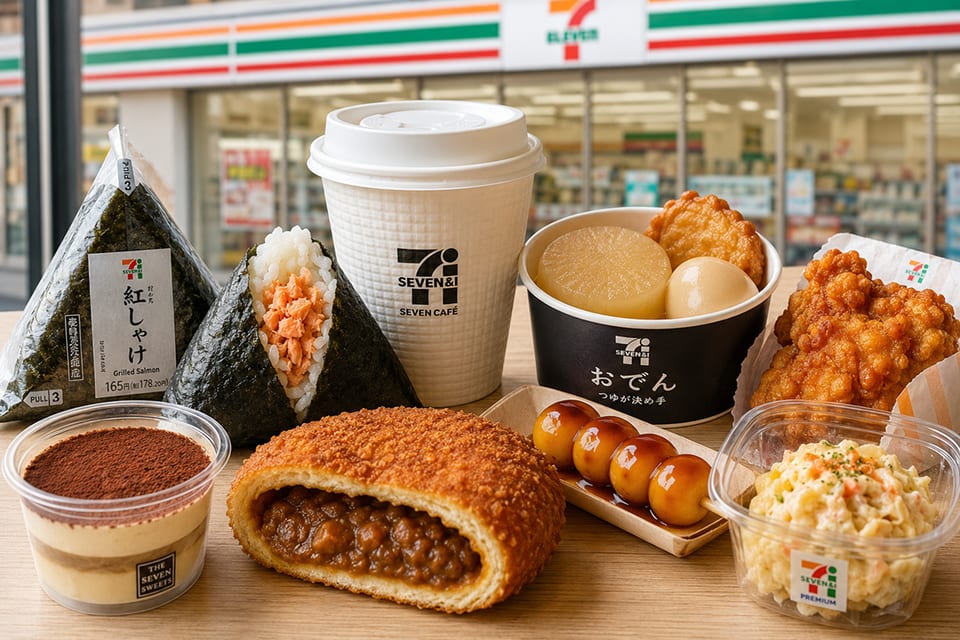
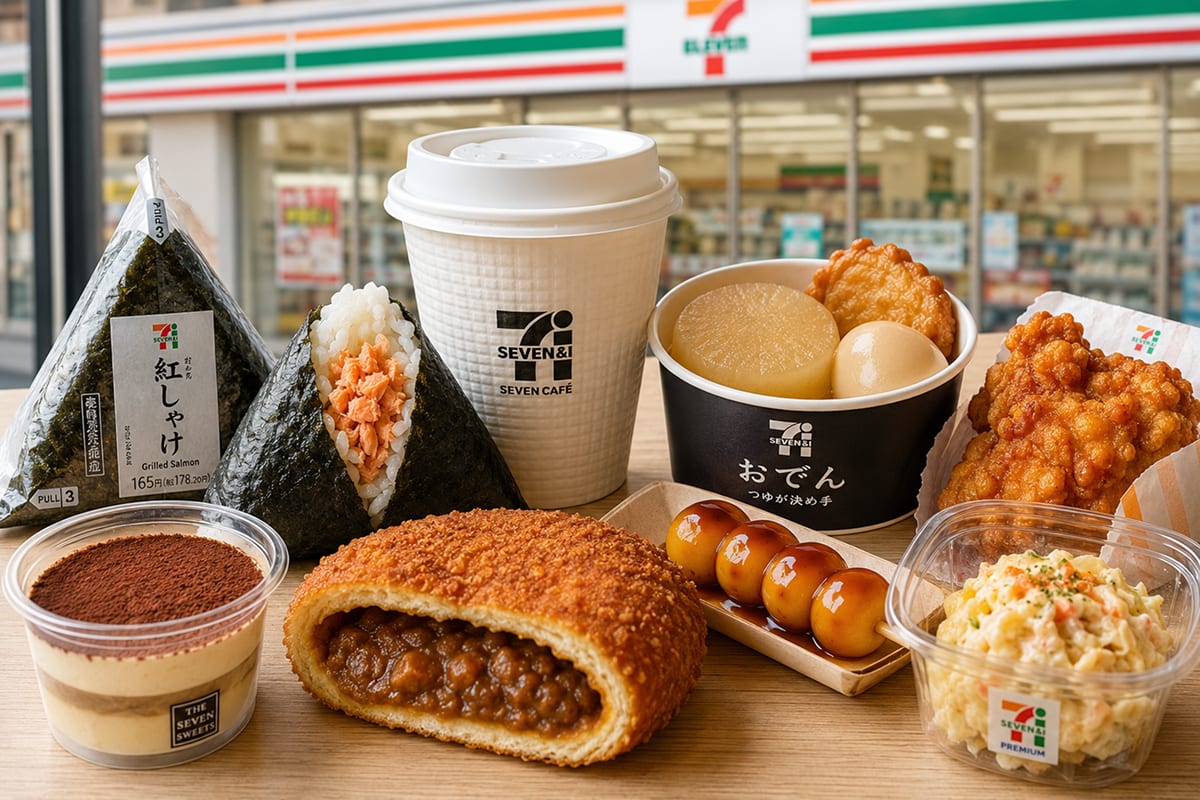
Here are eight things I buy as a resident and would recommend to someone visiting Japan. Range, price, and season vary by store, so treat this as a starting list rather than a checklist.
1. Onigiri
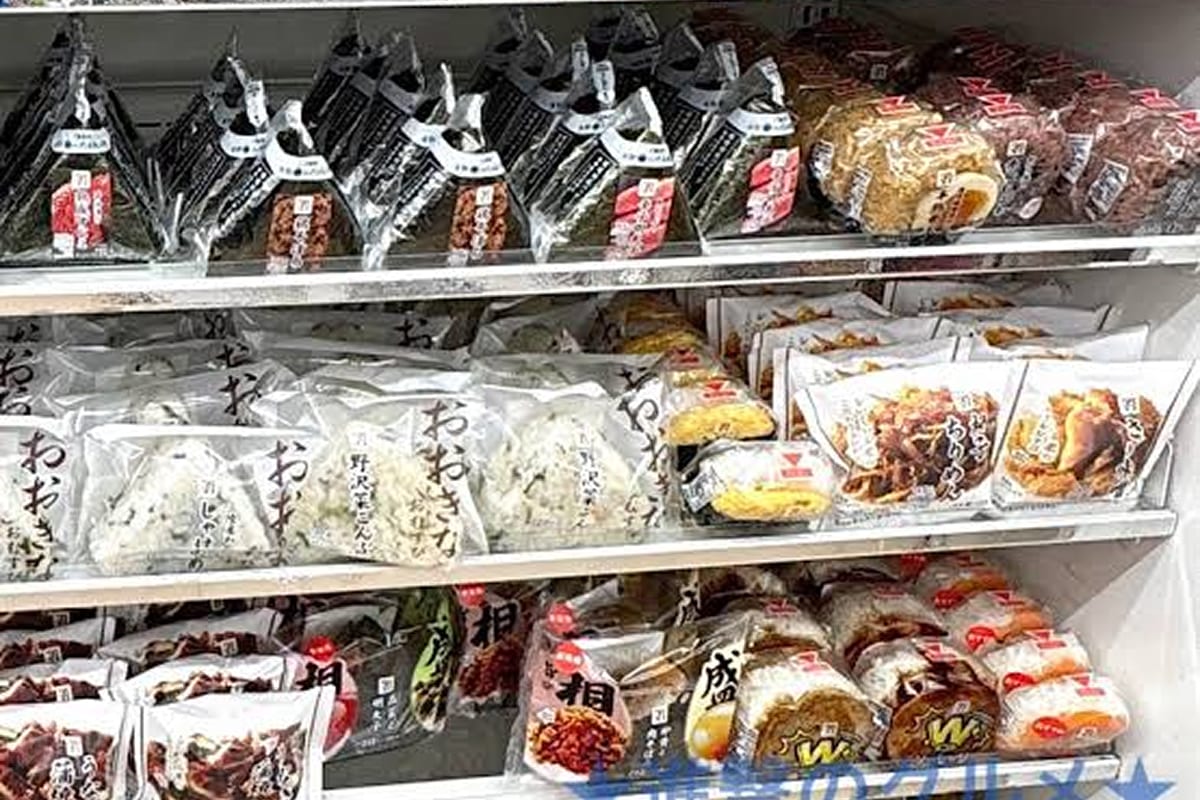
If you try one thing, make it the onigiri (おにぎり).
An onigiri is rice shaped by hand or machine, either wrapped around a filling or mixed with one. It is one of the most ordinary foods in Japan. You eat it with one hand, which makes it useful for breakfast or for a quick meal before a train.
7-Eleven sells fillings such as pickled plum, salmon, kelp, and pollock roe. For a first try, salmon or pickled plum are the easiest starting points.
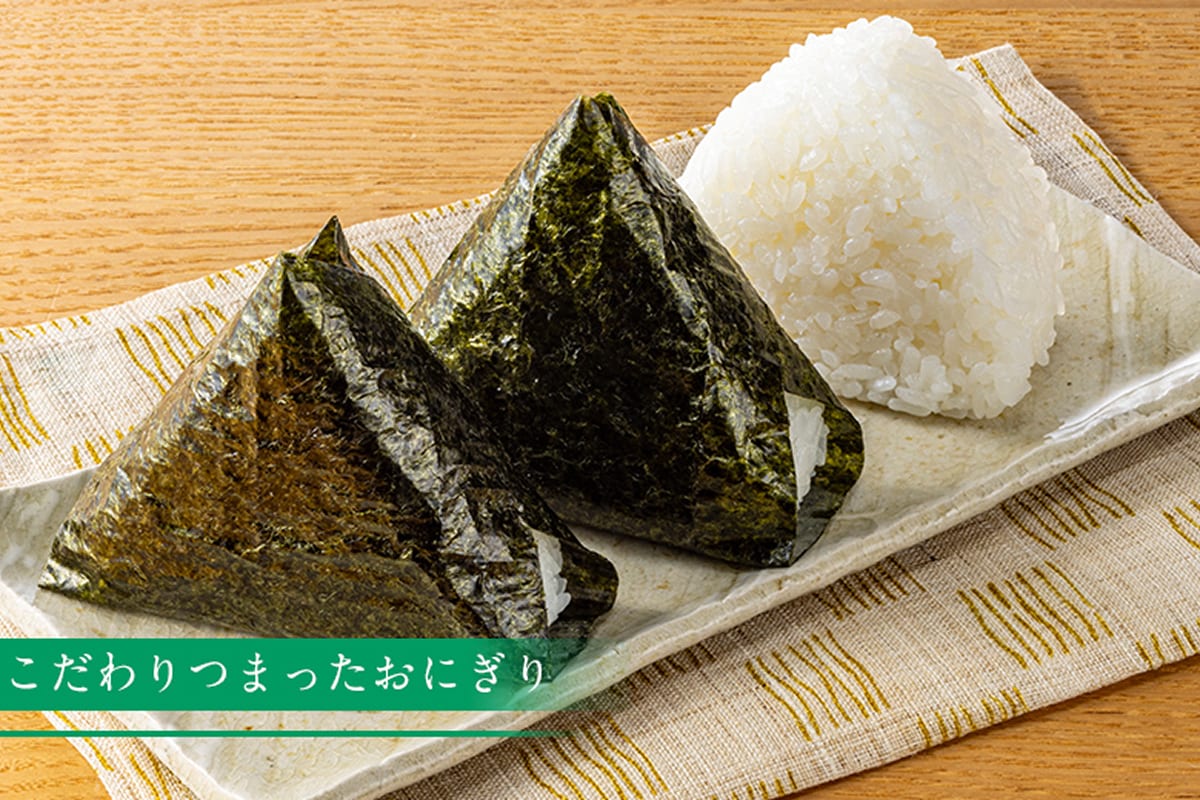
Do not write it off as cheap food. The texture of the rice and the seasoning of the filling are handled carefully, and I think it is the quickest way to see how much attention goes into everyday food here.
Many onigiri use packaging that keeps the seaweed separate from the rice until you open it, so the seaweed stays crisp. The wrapper is numbered 1, 2, and 3. Pull the tabs in that order and the seaweed wraps itself around the rice. It looks confusing the first time and takes about two seconds after that.
2. Seven Cafe coffee
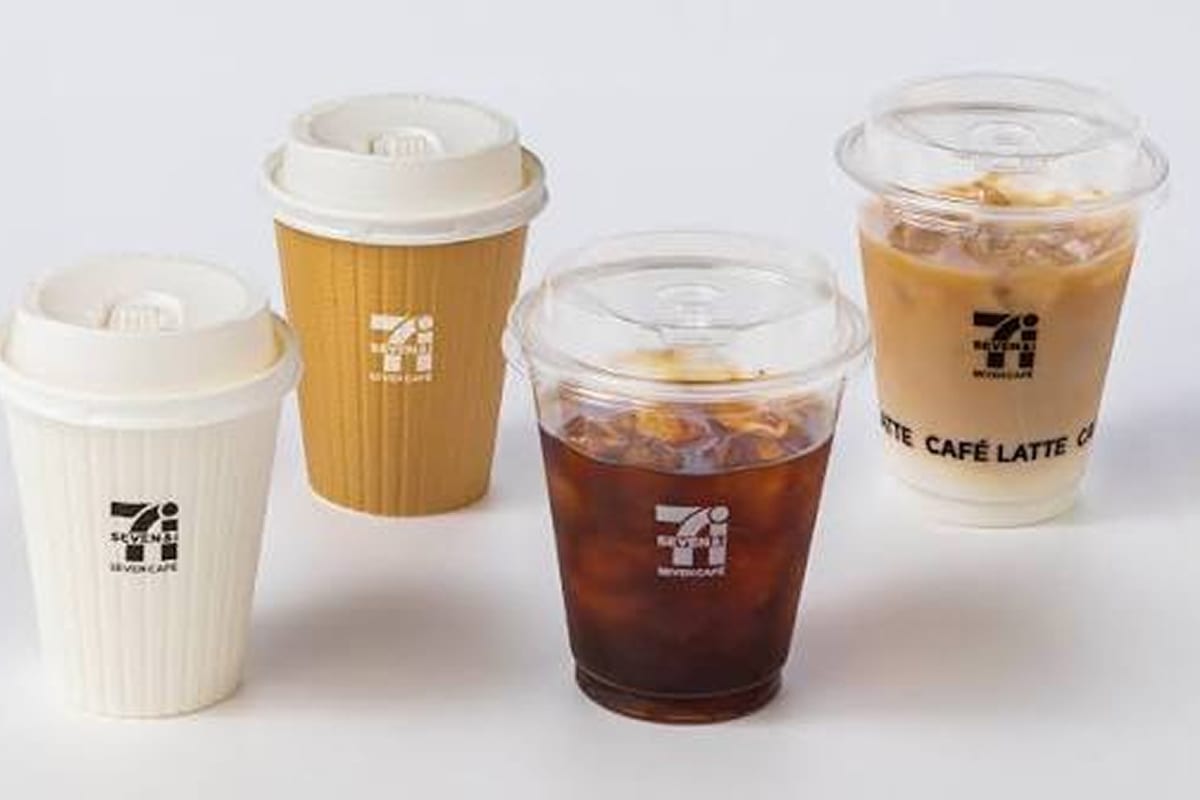
You may assume that convenience store coffee is average. Seven Cafe grinds the beans and brews the coffee in the store at the moment you order.
I find the aroma much better than I expect from a convenience store, and for the price and the speed, I think it is one of the better everyday coffees available.
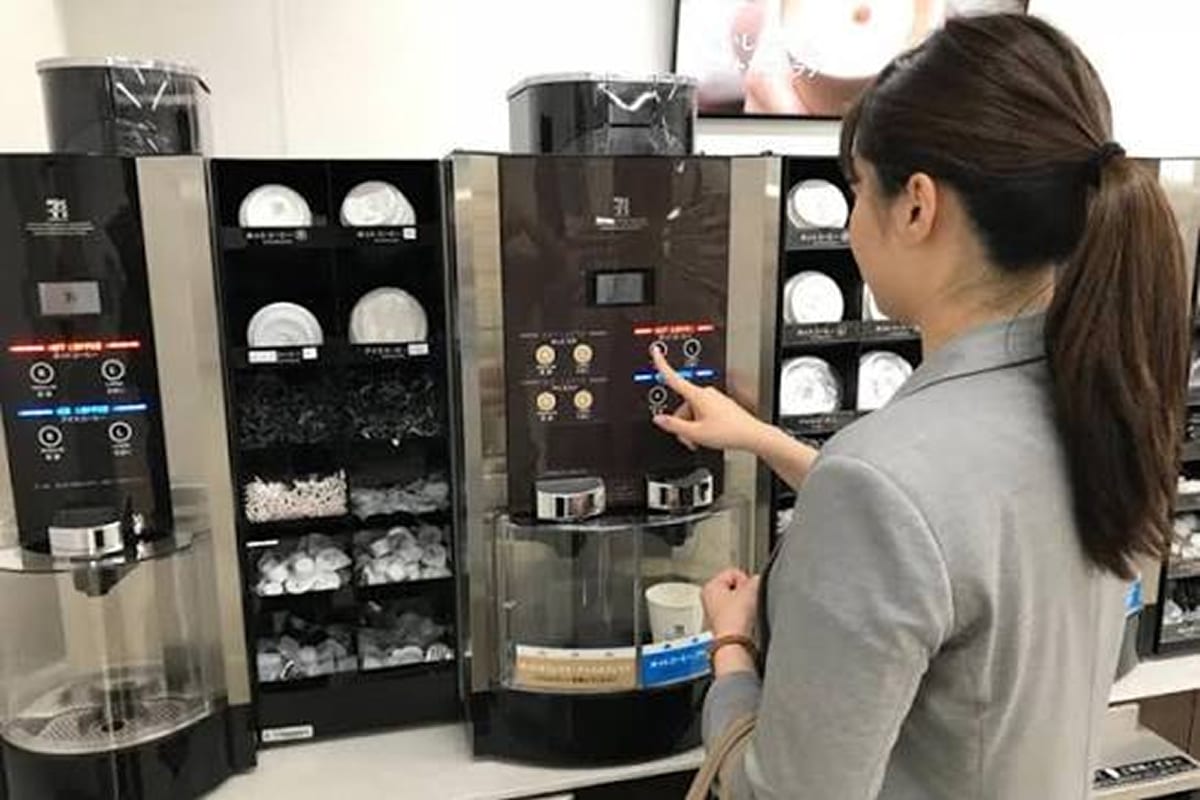
The ordering method surprises people. You buy an empty cup at the register first, then take it to the machine and brew the coffee yourself. Cup size determines the price, so tell the cashier which size you want. On some touchscreen machines you can also choose the strength of eligible coffees, from mild to strong.
It works when you leave the hotel early, when you want a break between sights, or when the weather turns cold. Try it once. It may change what you expect from a convenience store.
3. Oden
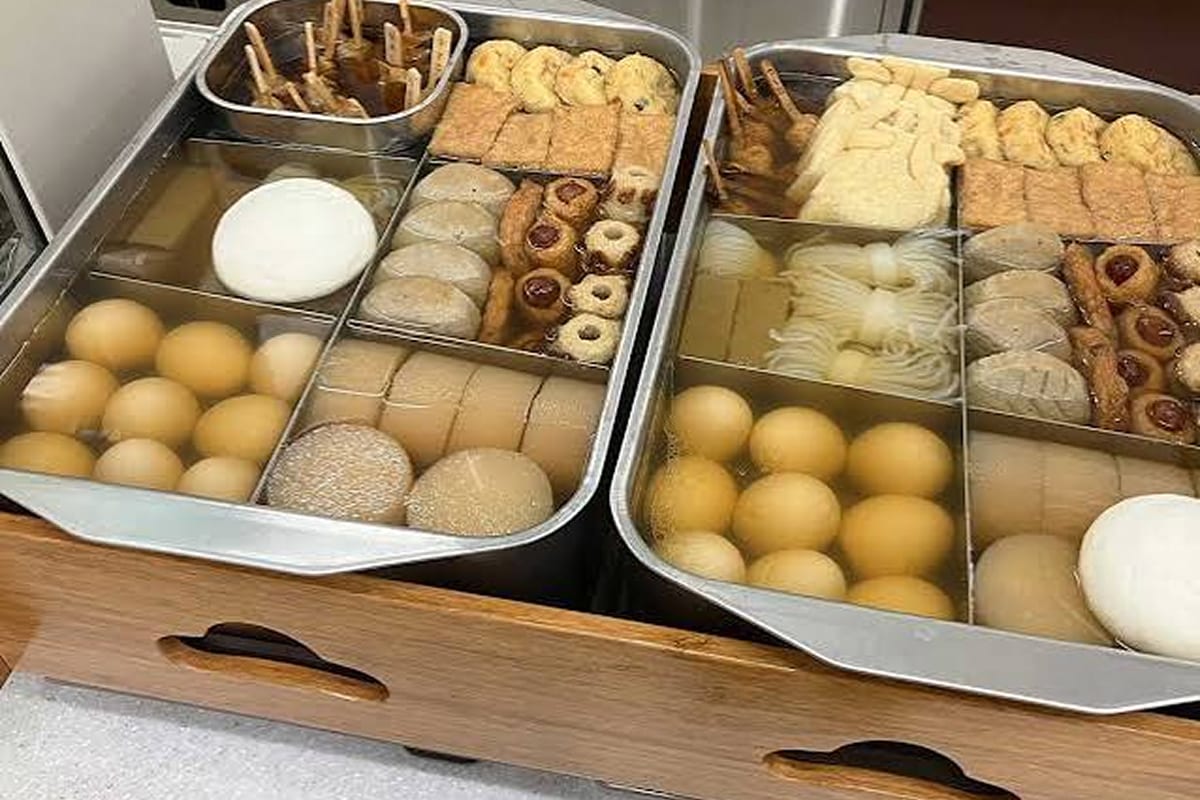
On a cold day, order oden (おでん).
Oden is a set of ingredients simmered in dashi broth: daikon radish, egg, konjac, fish cake, fried tofu. It looks very plain. The flavor is gentle and clean, and the broth has soaked all the way through each piece.
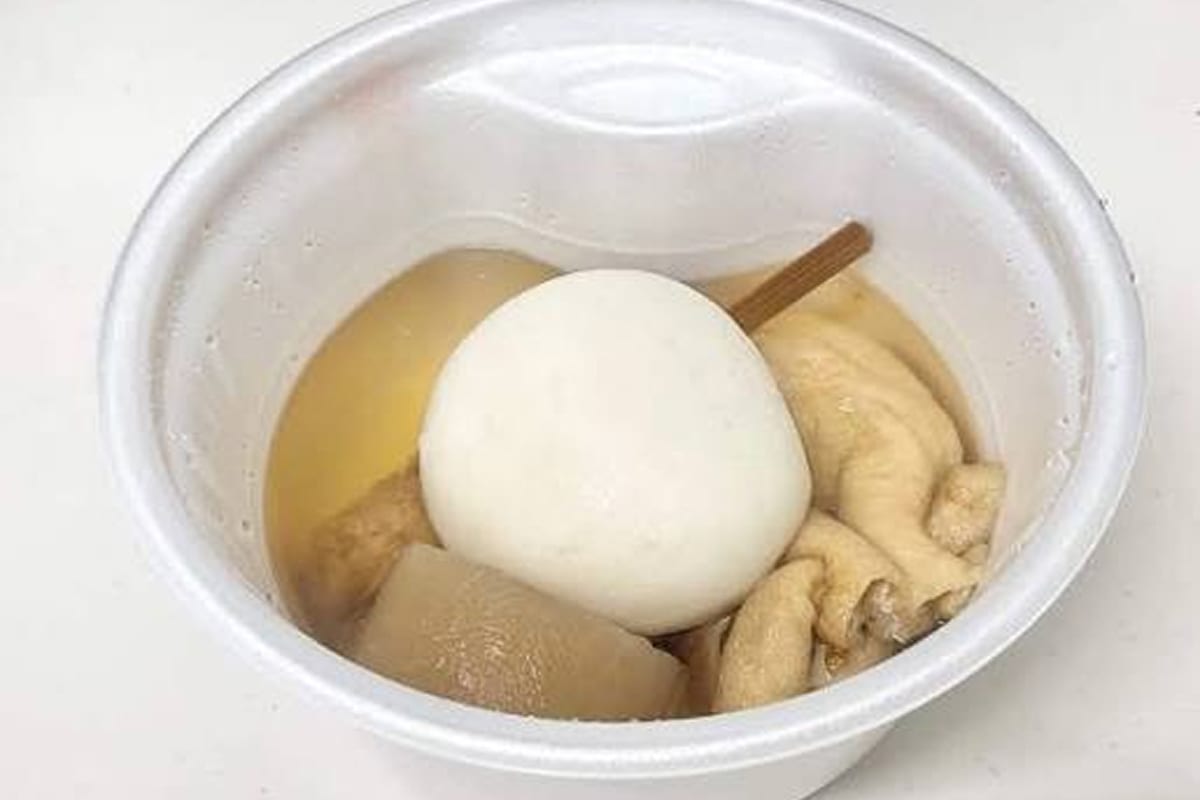
If you have never had oden, start with the daikon and the egg. Both hold the most broth, which is the point of the dish.
Oden sits in a heated case near the register, and staff usually serve the pieces you point to. The season and the selection differ by store and region, and some stores do not sell it at all. If you see it during a cold month, that is the time to try it.
4. Age-dori fried chicken

7-Eleven sells hot food near the register: fried chicken, croquettes, and similar. These are not on a shelf. You ask staff for them by name at the register.
The one I recommend is age-dori (揚げ鶏).
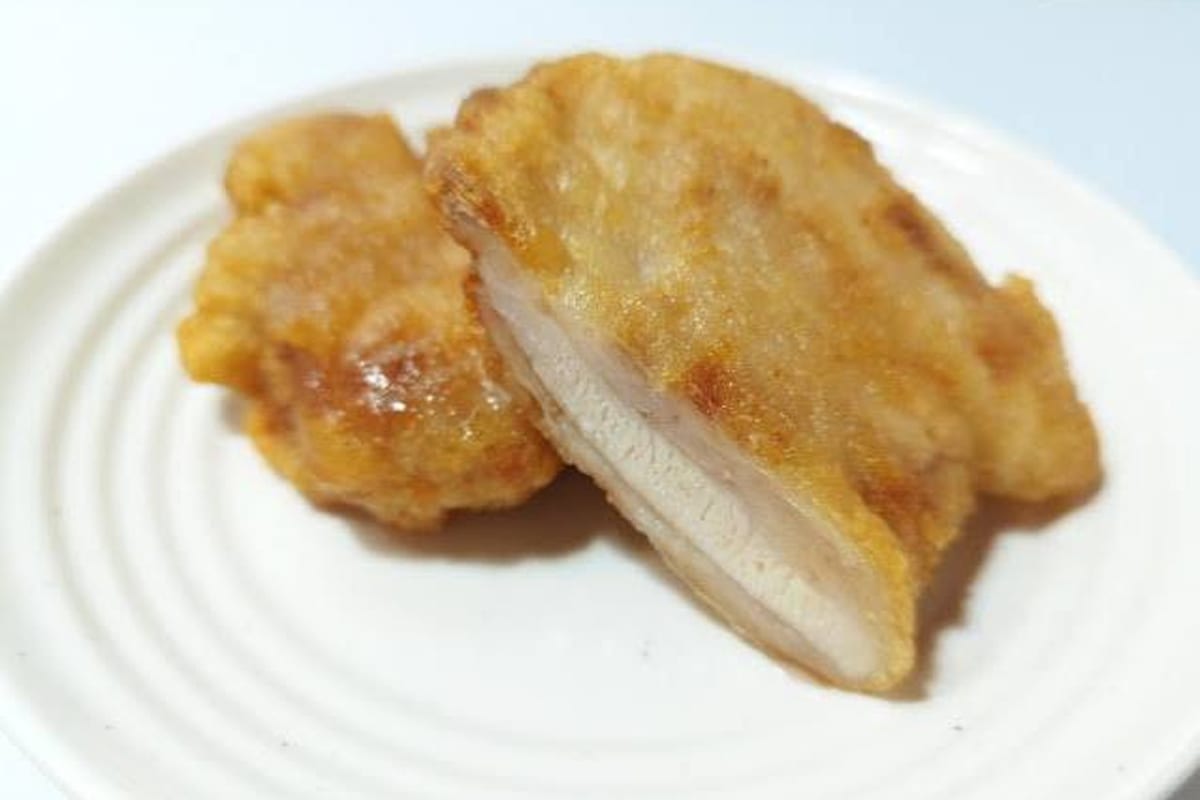
It has a thin, crisp coating and juicy chicken inside. Unlike heavily spiced fried chicken, the seasoning is restrained, so what you taste first is the chicken itself.
The coating cracks when you bite it, then the juice follows. It works as a snack on its own, and with an onigiri or a salad it becomes a light meal. You can eat it immediately, which suits a break between sights.
5. Curry bread fried in store
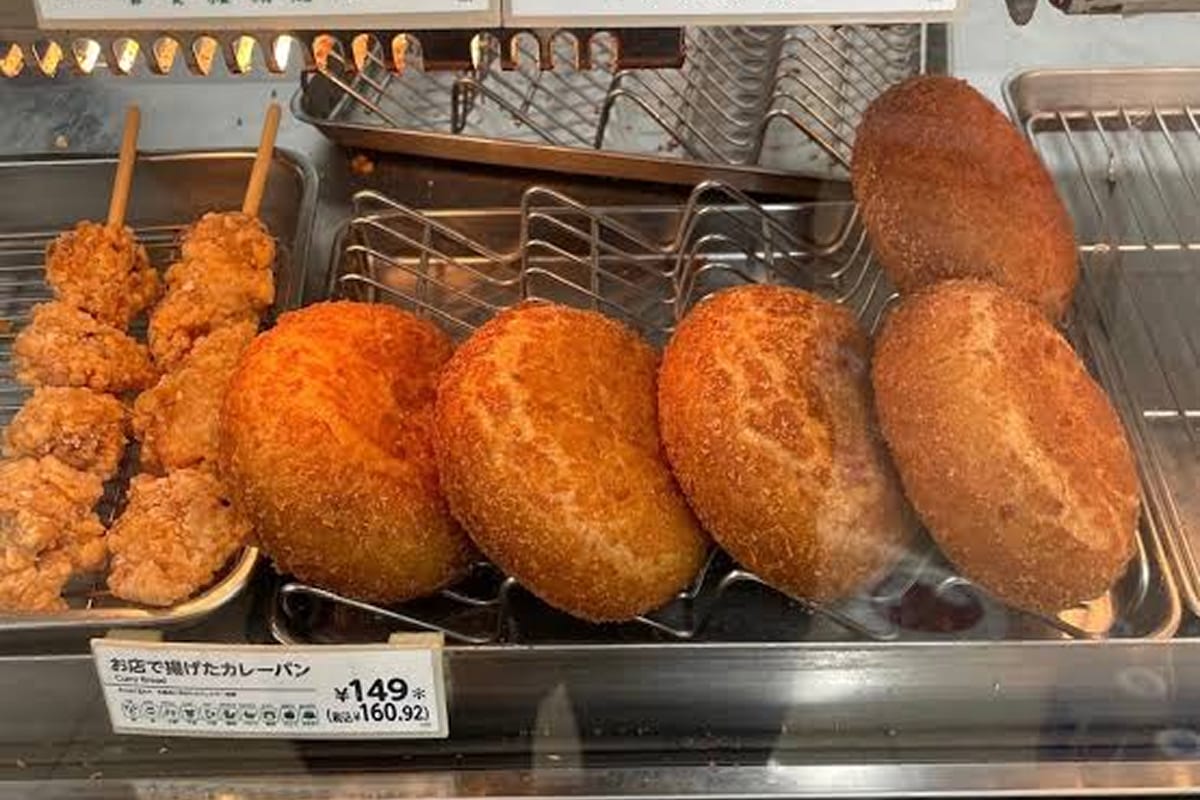
Japanese curry bread is worth trying at least once.
Curry pan (カレーパン) is bread filled with curry and then deep-fried. Curry inside fried bread sounds heavy. In practice it eats like a light snack, and it is sold everywhere from bakeries to convenience stores.
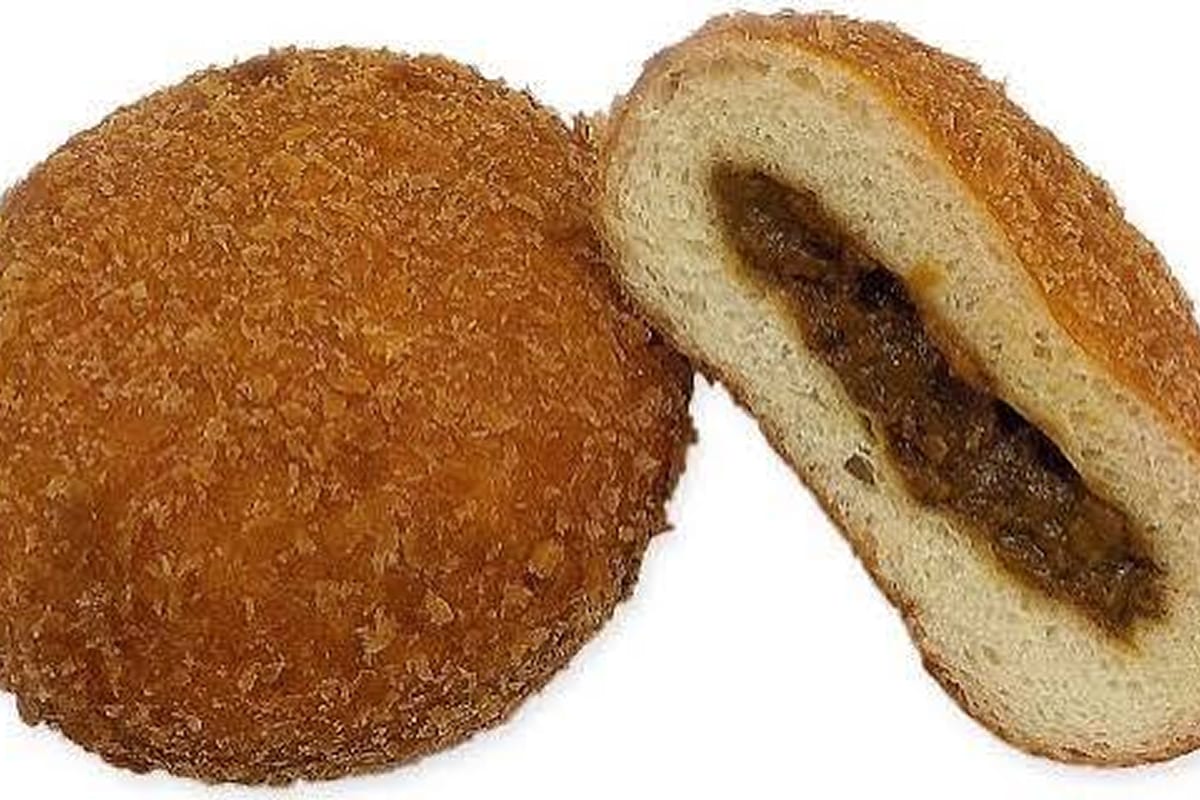
7-Eleven’s version is fried in the store. The outside is toasted and savory, and the curry inside is warm. The heat level is mild enough for most people, though the exact product and its availability differ by region.
When you catch one soon after it is fried, it is noticeably better. If you see it at the counter, that is the moment to buy it.
6. Japanese sweets
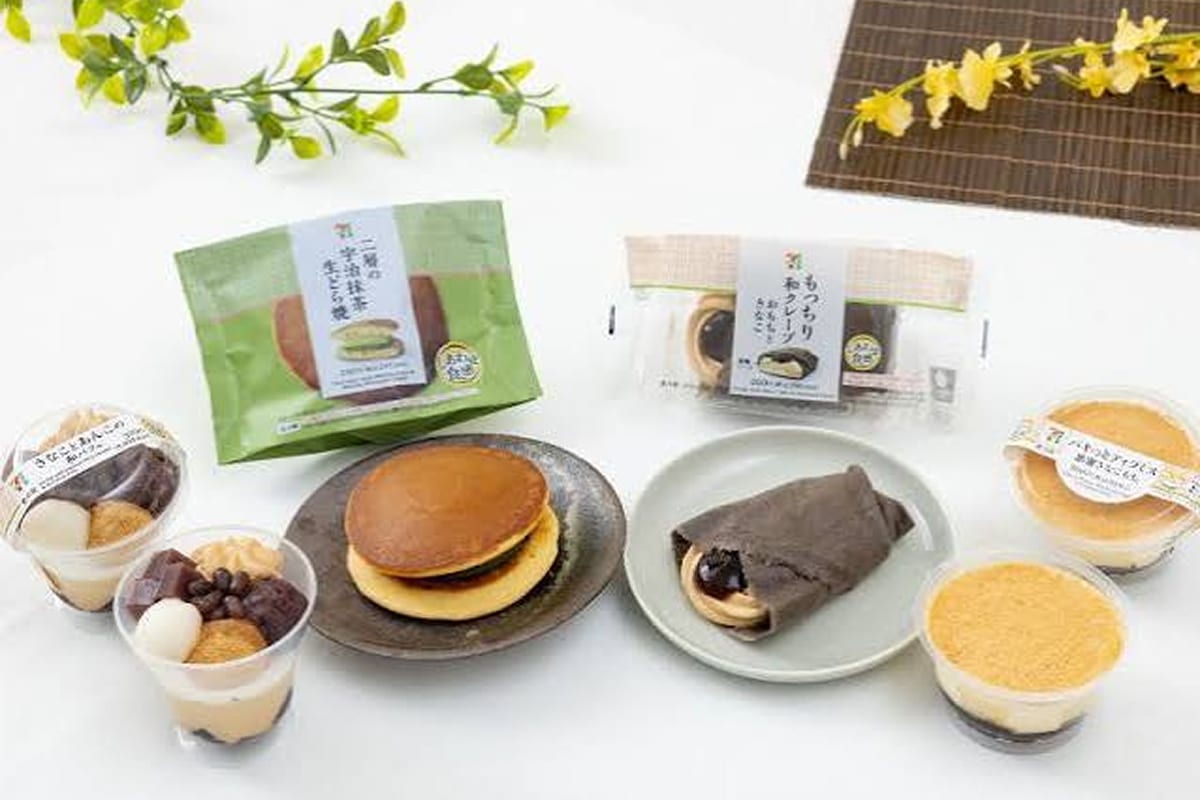
Plenty of visitors are curious about Japanese confectionery but feel awkward walking into a specialist shop.
The convenience store solves that. Depending on the store and the season, you will find dango (rice dumplings), kusa mochi, warabimochi, agar jellies, and desserts using kinako soybean flour or black sugar syrup.
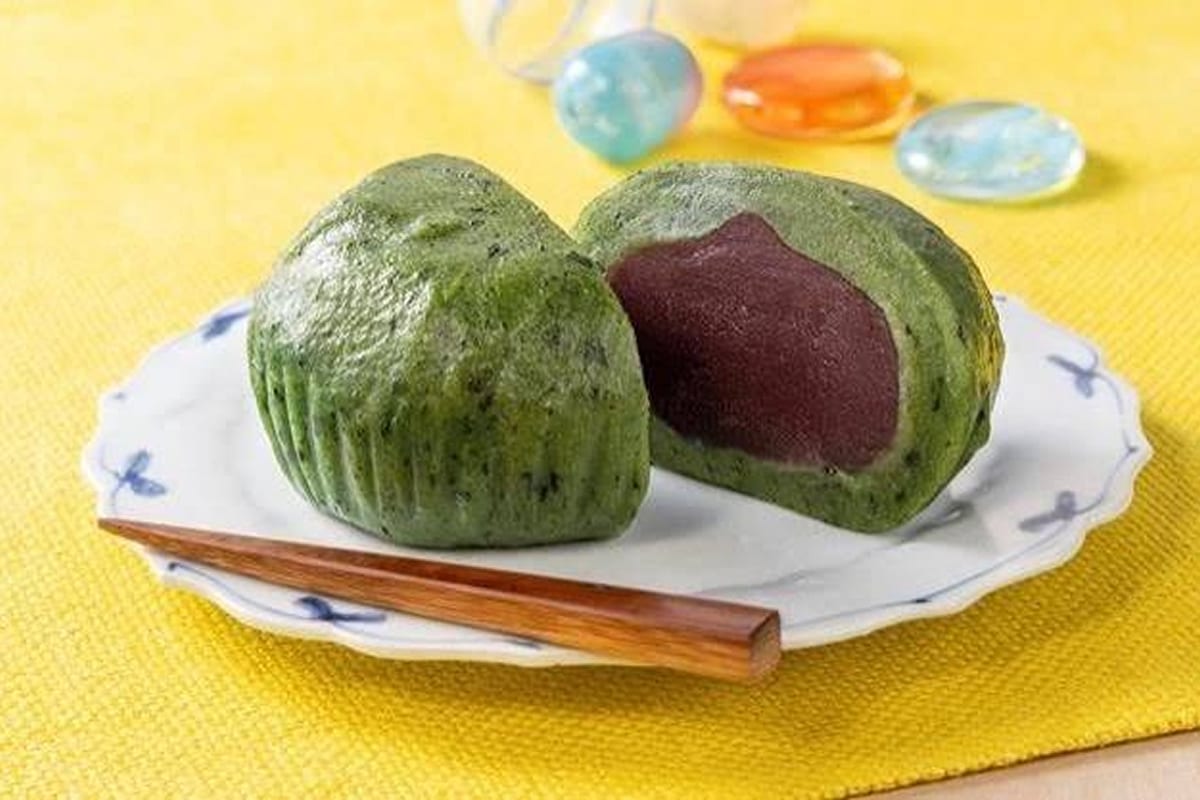
These sweets are built around ingredients you meet everywhere in Japanese food: red bean paste, mochi, matcha, kinako, and kuromitsu. For a first try, warabimochi or dango are the easiest to predict from the look of them.
7. Seven Premium side dishes
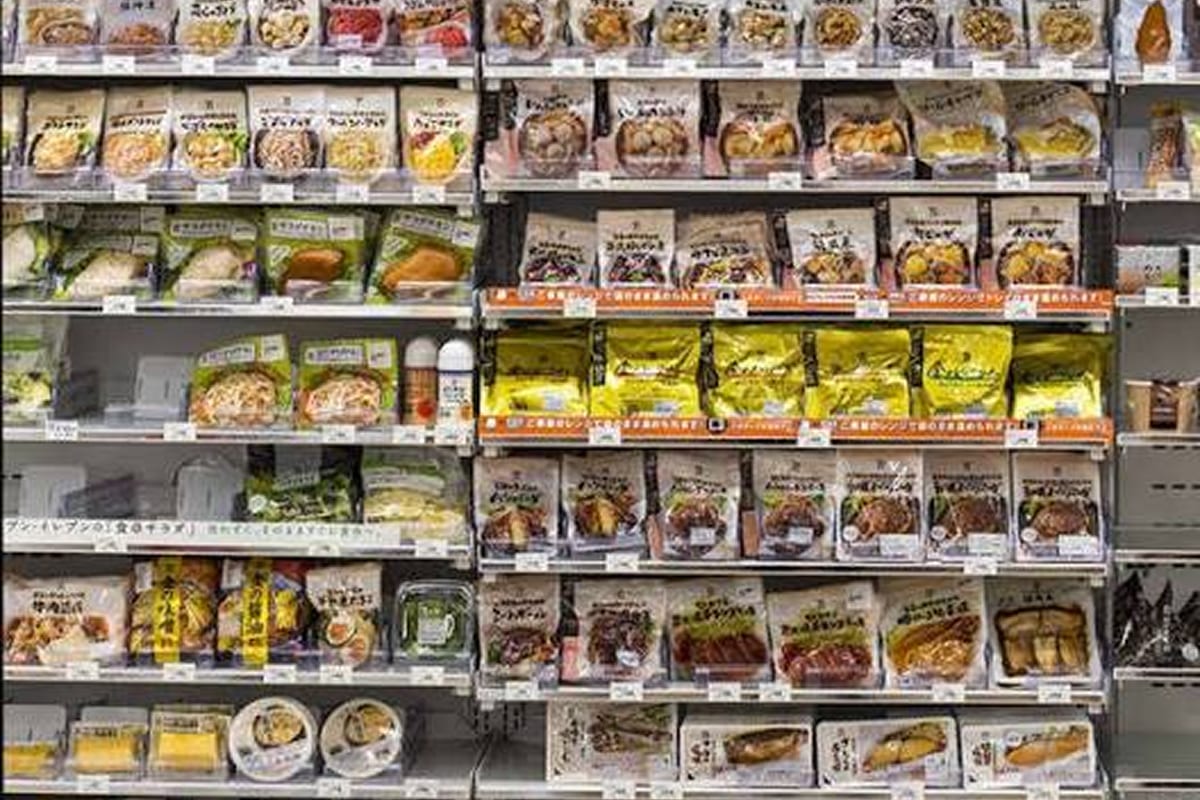
After a few days of restaurant meals, many travelers want something lighter or just simpler.
Seven Premium is the private brand of the Seven & i group. The side dishes include potato salad, simmered hijiki seaweed, kinpira burdock root, grilled fish, hamburger steak, and braised pork belly.
The ones I recommend are the home-style dishes: simmered hijiki and kinpira burdock. They are much less known abroad than sushi or ramen, but they have been part of home cooking here for a long time. They are also hard to find in a restaurant aimed at visitors.
If you are eating in your room, add an onigiri and an instant miso soup. That combination is close to an ordinary Japanese meal.
Some products need heating and some do not. If yours needs it, the cashier will ask whether to warm it, and it is heated in the store.
8. Convenience store desserts
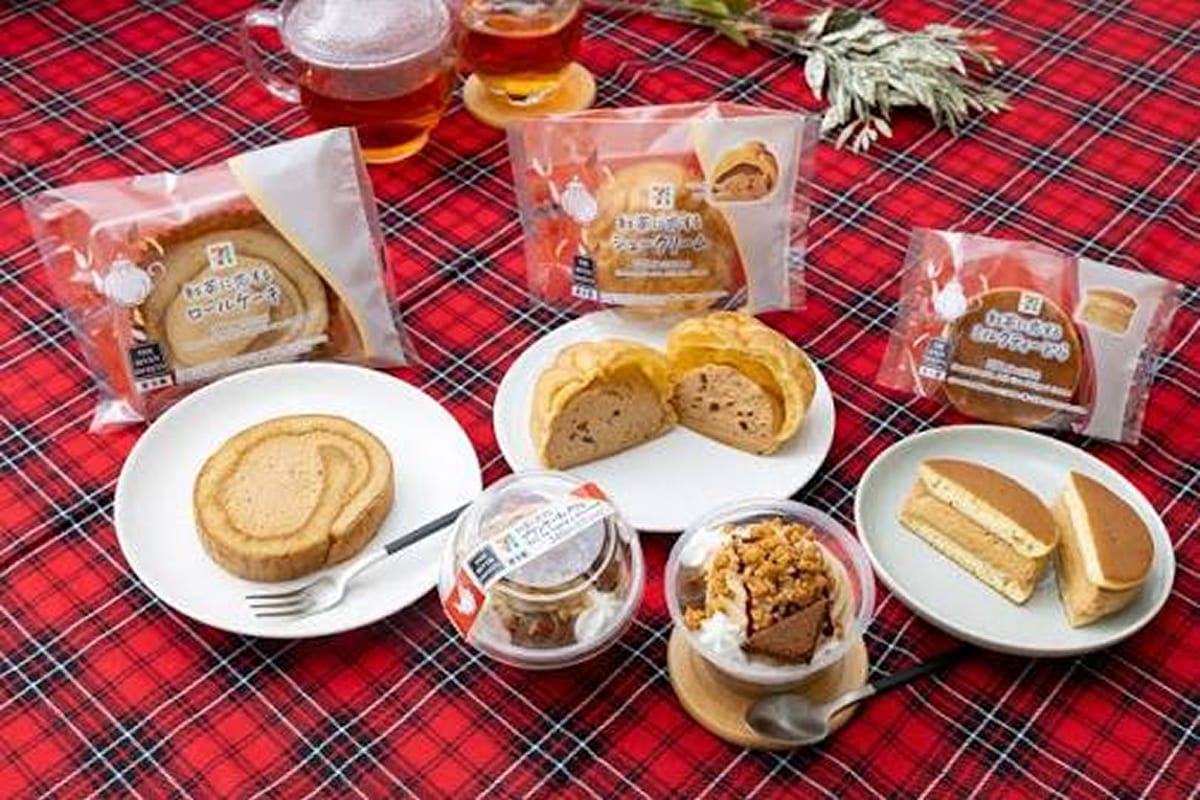
The last one is dessert.
Japanese convenience store desserts are not simply cheap sweets. Custard pudding, cream puffs, roll cake, and cheesecake are sold at a level closer to a patisserie than the price suggests.
My own preference is anything built on cream. The texture is smooth, and the balance between sweetness and richness is usually well judged.
The lineup changes often, by season and by region. The dessert you find during your trip may be a limited-period product that will not be there next time. If you want something sweet after dinner, check the dessert case before you head back.
Practical things to know before you order
- Payment. Cash, credit cards, transit IC cards, and code payments are commonly accepted. The accepted logos are displayed at the register.
- Heating. For lunch boxes and side dishes, staff will ask whether you want the item warmed. Say yes and it is heated in the store.
- Chopsticks and spoons. Ask at the register if you need them.
- Ingredients and allergens. Core label information is generally in Japanese. For packaged original products, check the allergen statement on the label. For counter foods such as fried items and oden, check the price sign or Seven-Eleven Japan’s current allergen page. If you have a serious allergy, do not make a rushed decision or rely on appearance alone.
- Trash. Check whether the store provides bins and follow the signs on them. If it does not, take the packaging back to your accommodation.
Who this suits
- Travelers arriving late, when few restaurants are still open
- Solo travelers who would rather not sit down in a restaurant every night
- Anyone who wants a lighter or more home-style meal after several days out
- Anyone who wants to try several Japanese foods in small amounts
Who this does not suit
- Travelers with strict dietary requirements such as halal or vegan, or a serious allergy. Labels are in Japanese and suitable products are limited.
- Anyone who needs one specific product. Availability changes by store and season.
- Anyone who wants to sit down and eat slowly. Many stores have no seating.
Which one to buy, and when
- Breakfast: onigiri and a Seven Cafe coffee
- A break between sights: age-dori fried chicken or curry bread
- A cold evening: oden
- Eating in your room: Seven Premium side dishes with an onigiri
- After dinner: Japanese sweets or a dessert
Evidence and limits of this guide
I bought and ate all eight products at my own expense as a resident of Japan. Product names, categories, payment methods, allergen guidance, and the Seven Premium brand were checked against Seven-Eleven Japan’s own pages on August 12, 2026. The mochi safety note was checked against Tokyo Fire Department guidance on the same date.
I have not compared stock across regions, tracked prices, or confirmed that any item is sold nationwide. Oden in particular is seasonal. Prices and product ranges change, so check the shelf and the current product page rather than this article.
Your next step
On your first convenience store visit, buy one salmon onigiri and one Seven Cafe coffee. That is a few hundred yen and about five minutes, and it tells you whether the rest of this list is worth your time.
Sources8 checked
- Seven-Eleven Japan, "Onigiri" product pageChecked 2026-08-12
- Seven-Eleven Japan, "Seven Cafe" product pageChecked 2026-08-12
- Seven-Eleven Japan, "Oden" product pageChecked 2026-08-12
- Seven-Eleven Japan, "Seven Premium" product pageChecked 2026-08-12
- Seven-Eleven Japan, "Payment methods available"Checked 2026-08-12
- Seven-Eleven Japan, "I am concerned about allergens in products"Checked 2026-08-12